Interview | Arrital
“Quality is visible in the details.”
When asked how he would describe Arrital in one sentence, Giuseppe Bincoletto didn't hesitate for a second: “Arrital is a brand that combines Italian design, high quality and a modern idea of what home is.”

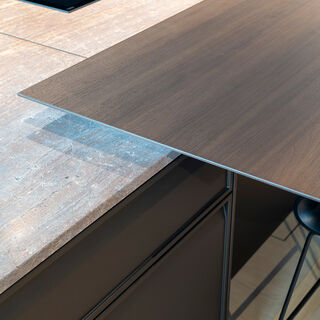
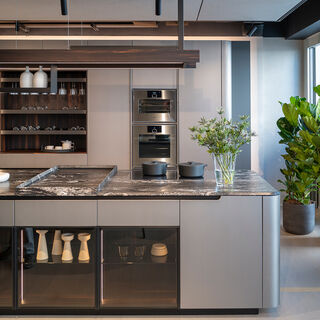
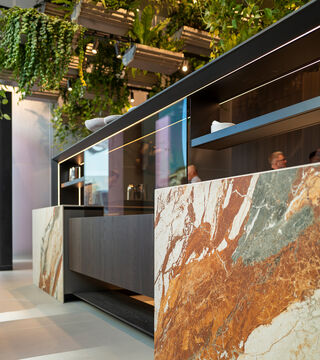
What the Chief Marketing Officer of We.Do Holding, of which Arrital forms a part, meant was evident at first glance in the company's showroom at Corso Europa: tailor-made, elegant living settings where the Ak_Project kitchen was staged as the centrepiece of the living system, with new modularity, a reduced design idiom, 45-degree details, high-quality finishes and many details.
Giuseppe, what defines Arrital as a brand in 2026?
Giuseppe Bincoletto: Arrital is an Italian design brand with a traditional focus on kitchen design. Today, however, it is no longer just about cooking in the strictest sense of the word. We talk about the home as a whole. The kitchen is the starting point, but it forms part of a more comprehensive system: Living, eating, encounters, everyday life. Our goal is to create spaces that are functional, but also evoke emotions and that are very personal.
Arrital is evolving from a kitchen brand to a home living brand?
Giuseppe Bincoletto: Yes, that’s right. It goes without saying that the kitchen remains pivotal to us. However, today we think more about the whole home. The boundaries between kitchen, living spaces and other areas are becoming more fluid. That’s why materials, colours, proportions and details need to work together. It’s not just about building beautiful kitchen furniture, it’s about creating an atmosphere.
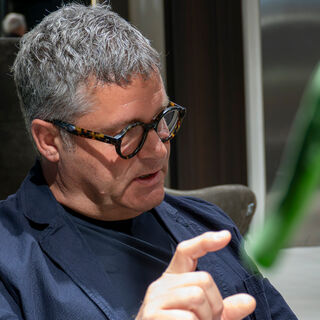
What does this mean specifically for the new brand identity?
Giuseppe Bincoletto: The new brand identity must clearly show what Arrital stands for. We wanted to develop a design idiom that was instantly recognisable – in the colours, the images, in the way we depict rooms. We want people to remember the brand more. Arrital offers very good products and high quality, but we also want to communicate this quality even more clearly – emotionally and visually.
You are showcasing many calm colours, natural materials and matt surfaces at the trade fair. Does this suit Arrital?
Giuseppe Bincoletto: Yes, very much so. Today, people are looking for spaces that provide tranquility. The colours are more natural, the materials are warmer, the finishes are matt. It’s less about brash effects and more about balance, harmony and a sense of home. This suits Arrital: we have always wanted to combine design with homeliness.
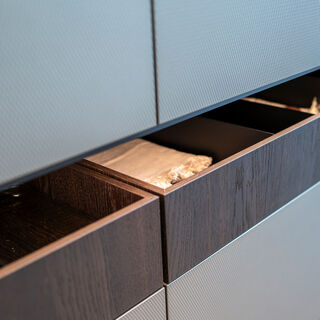
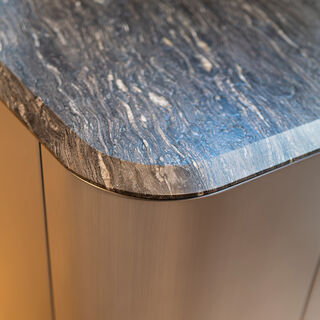
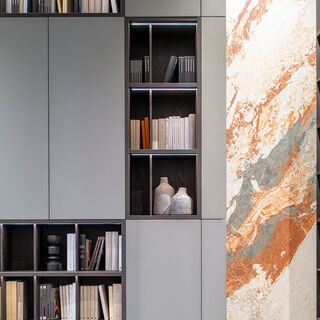
Kitchens look less spectacular in 2026, but they are very detailed. Do you agree?
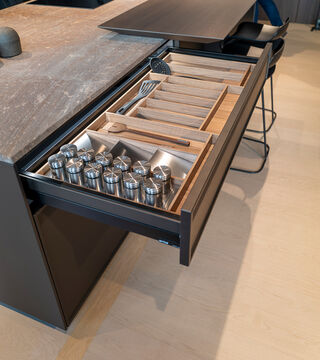
Giuseppe Bincoletto: Yes. I think details are getting more and more important. When the shapes become calmer, you can see the quality in the small things: in the joint, the handle, the finish, the interior fittings, the movement. That’s another kind of luxury. Not brash, but accurate.
The trade fair motto “Going Beyond” reflects this. Can you tell us more?
Giuseppe Bincoletto: For us, “Going Beyond” means going beyond the traditional idea of the kitchen. Not just a product, not just a space, but a vision of living. We want to see the kitchen as part of a larger, domestic ecosystem. It’s about how people live, how they move, how they spend time and how design can improve their everyday lives.
What inspires you? Are trends important at Arrital?
Giuseppe Bincoletto: Trends show how society and tastes are changing. However, you cannot follow them blindly. A brand needs its own identity. We observe trends, but we translate them into our own idioms. Once a trend fits Arrital, it can become part of our development. If not, we ignore it.

What do you think is the strongest trend in living right now?
Giuseppe Bincoletto: I think people are looking for a home that provides protection. For spaces that are warm, calm and personal. Quality you can see and feel. The kitchen is very important because it is one of the most emotional places in homes. When things are complicated outside, home becomes even more important. People want a place where they feel safe and comfortable. Design can contribute to this – not with loud gestures, but with harmony, quality and good functions.
Trend report